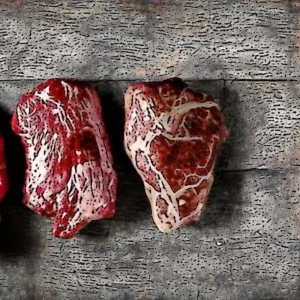
It’s a cheap and effective way to make meat appear more expensive and appealing to consumers.
The Dark Side of Meat Production
The meat industry is built on a foundation of deception and exploitation. Behind the scenes, meat suppliers are using various tactics to create the illusion of high-quality meat products.
The fake meat is then packaged and shipped to unsuspecting consumers who unknowingly purchase the lower quality meat products.
The Rise of Meat Glue in the Meat Industry
The use of meat glue, also known as transglutaminase, has become a common practice in the meat industry. This enzyme is used to bind meat scraps together, making them appear more appealing to consumers. However, the use of meat glue has raised concerns among consumers and food safety experts.
**Here's what I need:**
* A concise, compelling title for your article
How Meat Glue is Used
Meat glue is typically used to bind meat scraps together, making them appear more appealing to consumers. The process involves applying the enzyme to the meat scraps, allowing it to break down the proteins and create a strong bond between the pieces.
The FDA has a history of ignoring the use of animal-derived ingredients in food products.
The Dark History of Meat Glue
Meat glue, also known as transglutaminase, has been used in the food industry for decades. The enzyme is derived from the blood of animals, typically cows or pigs, and is used to bind meat together. However, the use of animal-derived ingredients in food products has been a contentious issue for many years.
The FDA’s Lack of Regulation
The FDA has a history of ignoring the use of animal-derived ingredients in food products. In fact, the agency has been criticized for its lack of transparency and oversight in the use of these ingredients. The FDA has not conducted any research on the potential health effects of consuming meat glue, despite its widespread use in the food industry.
The Science Behind Meat Glue
Meat glue is made by cultivating bacteria that produce the enzyme transglutaminase.
The Dark Side of Meat Glue
Meat glue, also known as transglutaminase, is a common ingredient in many processed meats. It’s used to bind meat together, making it more appealing to consumers. However, the FDA has deemed it “generally regarded as safe” (GRAS), which has led to widespread use in the meat industry.
The Risks of Meat Glue
The Unintended Consequences of Meat Glue
Meat glue is often used in combination with other ingredients to enhance the texture and appearance of processed meats. However, this can lead to unintended consequences, such as:
Furthermore, the use of meat glue can lead to the formation of biofilms, which can harbor harmful bacteria and other pathogens.
The Dark Side of Glued Meat
Understanding the Risks
Consuming meat that has been glued together can have serious health implications. The process of gluing meat together involves applying a substance to the surface of the meat, which can contain pathogens and other contaminants. These pathogens can then be transferred to the entire glued steak, posing a risk to the consumer’s health.
The Dangers of Pathogens
- E. coli
- Salmonella
- Campylobacter
- Listeria
- Individuals may develop an immune response to the meat glue, potentially triggering autoimmune disorders.
The Meat Glue Scandal: Uncovering the Truth
The meat glue scandal has been a topic of discussion in the food industry for several years, with many consumers and food experts alike calling for greater transparency and regulation. At the center of the controversy is the use of meat glue, also known as transglutaminase, in the production of meat products.
What is Meat Glue? Meat glue, also known as transglutaminase, is a food additive that is used to bind meat together and improve its texture. It is a enzyme that is derived from the pancreas of animals and is used to strengthen the bonds between proteins in meat. Meat glue is commonly used in the production of sausages, bacon, and other processed meats. Key characteristics of meat glue:
+ Derived from animal pancreas + Used to bind meat together + Improves texture and consistency + Can be used in a variety of meat products
The Controversy Surrounding Meat Glue
The use of meat glue in the production of meat products has been the subject of controversy in recent years. Some consumers have raised concerns about the potential health risks associated with the use of meat glue, including the possibility of allergic reactions and the potential for contamination. Concerns about meat glue: + Potential for allergic reactions + Risk of contamination + Lack of transparency in labeling + Unclear long-term health effects
The Impact on Consumers
The use of meat glue in the production of meat products has had a significant impact on consumers.
news is a contributor at Meat N Metal. We are committed to providing well-researched, accurate, and valuable content to our readers.
You May Also Like