The Primal Apocalypse: Understanding the Original Cuts
Your journey begins deep within the cow—or pig or sheep—where nature has carved out primal regions destined for greatness. These aren’t just names scribbled on a diagram; they’re the foundation of everything that follows. Think of them as the original power chords of the meat universe.
The primal cuts form the skeleton of the beef beast, dividing muscle groups based on function and fat potential. You’ll hear terms like chuck, rib, loin, round, plate, and brisket tossed around like war cries at a festival. But don’t let those words scare you—they’re your map to the holy grail of juicy, flavorful eating experiences.
- Chuck: The shoulder region, packed with connective tissue perfect for slow-cooking methods like braising or stewing. It’s the equivalent of a heavy metal ballad—the low, rumbling kind that builds to a fiery crescendo.
- Rib: Home of the iconic ribs, this area offers marbled richness ideal for smoking, grilling, or even slicing thin for a tenderloin-style experience. Picture it as the high-pitched scream of a solosoloist.
The Roast Revolution: Mastering the Big Pieces
If you’ve ever stared down a prime rib and wondered why it looks like a slab of marbleized chaos, congratulations—you’ve found your calling. Roasting is the art of turning massive hunks of protein into edible masterpieces, and every cut tells its own story.
Consider the eye of round—a lean, cylindrical marvel that can double as a flank steak when sliced against the grain. Or the top sirloin tip, often overlooked yet capable of delivering robust flavors under the right heat. These aren’t just ingredients; they’re the unsung heroes of backyard feasts and kitchen experiments alike.
The Myth of the Perfect Roast
There’s a common belief that only certain cuts can achieve perfection when roasted, but nothing could be further from the truth. Even lesser-known gems like the shank end or knuckle can yield incredible results with patience and technique. A study published in *Meat Science* showed that properly seasoned, slow-roasted knuckles retain moisture better than many premium cuts due to their natural collagen content.
Don’t be fooled by labels. What matters most is how you treat your meat. A well-seared surface, controlled internal temperatures, and letting it rest before carving—all contribute to that coveted juiciness that makes carnivores sing praises louder than a stadium full of fans.
The Steak Symphony: From Tenderloin to T-Bone
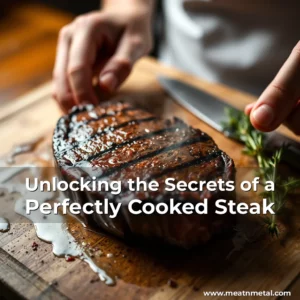
Steak lovers know that life is too short for mediocre cuts. Enter the realm of steaks—an arena where quality speaks volumes, and presentation means everything. From the buttery tenderness of filet mignon to the charred, crusty allure of a porterhouse, each type delivers a distinct sensory overload.
You won’t find a single “best” steak; instead, choose based on your mood, occasion, and willingness to play with fire. Filets offer finesse, stripers bring boldness, and New York strips strike that perfect middle ground between luxury and accessibility. It’s all about finding your personal rhythm in this chaotic melody called cuisine.
Ground Truths: Beyond the Burger
Ground meat gets a bad rap—often seen as inferior to whole cuts—but in reality, it’s a canvas waiting for creativity. While burgers are the obvious go-to, think beyond the grill. Empanadas, meatballs, sausage links, and even lasagna layers thrive on this versatile medium.
Choosing the right grind thickness and fat percentage changes the outcome drastically. For instance, coarsely ground chuck with 20% fat yields excellent burger patties, while finely processed options work best for forming delicate pastries or dense meatballs. There’s science behind the sizzle—and plenty of room for experimentation.
The Offal Obsession: Organs Worth Eating
If you haven’t dabbled in offal yet, consider yourself warned: once you taste the rich complexity of liver, tongue, heart, or tripe, you may never look back—at least not at regular cuts. These organs pack nutrient density alongside intense flavors that demand respect.
Tripe, for example, comes in various forms including honeycomb and smooth varieties. When prepared correctly, it becomes chewy yet tender, absorbing seasonings like a sponge soaking up liquid courage during a concert. Liver, especially calf’s version, boasts unparalleled iron levels and a creamy texture unmatched elsewhere on the animal.
A Cultural Perspective on Offals
Culturally, offal consumption varies wildly across continents. In France, foie gras holds royal status, whereas Korean hwe (raw fish) takes center stage despite differing textures. Yet regardless of origin, one thing remains constant: these parts shouldn’t be feared but celebrated for their role in sustainable eating practices and flavor profiles unknown to mainstream diets.
Making the leap into offal doesn’t require gourmet skills—just curiosity and openness to new sensations. Begin with simple preparations like pan-fried livers or lightly sautéed hearts wrapped in bacon. Soon enough, you’ll be experimenting with complex recipes involving braise times measured in hours rather than minutes.
Grill Wars: Choosing Your Weapon Based on Cut Type
No matter how fantastic your cut is, choosing the wrong cooking method can ruin everything. Grills come in myriad styles—from Weber smokers to charcoal beasts—but matching them with the right meat is crucial. High heat works wonders on searing surfaces of thick steaks but wreaks havoc on delicate fillets unless handled carefully.
Sous vide? It allows precise temperature control essential for achieving consistent doneness throughout thick slabs of protein. Smoking brings out smoky notes that complement fatty cuts beautifully. And yes, even your trusty oven deserves props for baking casseroles made from tougher pieces transformed into succulent stews.
Myth Busting: Separating Fact from Fiction About Meat Cuts
Many misconceptions swirl around which cuts are actually good or bad. One rampant myth suggests that tougher muscles always mean worse eating experiences—which couldn’t be farther from the truth. Connective tissues break down nicely during prolonged cooking, resulting in fork-tender delights far removed from tough chewiness.
Another fallacy claims that higher fat percentages automatically equal better taste. While fats do enhance flavor significantly, excess can lead to greasy dishes that detract from overall enjoyment. Balance is key whether you’re grilling up a Porterhouse or simmering a pot roast overnight.
The Future Feast: Trends Shaping Modern Meat Consumption
We live in exciting times for carnivores everywhere. Sustainability concerns have led toward regenerative agriculture movements focused less on quantity harvested and more on ecological impact minimized. Additionally, innovations like lab-grown proteins challenge traditional notions regarding where our meals originate.
Beyond technology lies cultural shift—more people now seek transparency about sourcing methods used in producing their preferred cuts. Ethical considerations influence purchasing decisions increasingly, making awareness vital for anyone passionate about consuming responsibly sourced goods without compromising satisfaction derived from great tasting fare.
Conclusion
This odyssey through meat cuts reveals much more than mere categorizations; it exposes pathways leading towards enhanced appreciation of what goes onto plates worldwide daily. Whether you prefer your meal grilled, baked, boiled, fried, or simply admired aesthetically from afar, knowledge empowers smarter choices.
So next time you face off against that bewildering display case filled with mystery-laden packages labeled ‘Sirloin’ or ‘Flank,’ remember: beneath each name lies history steeped in tradition combined with endless opportunities awaiting exploration. Now go forth and conquer every bite with gusto worthy of legends themselves!

news is a contributor at Meat N Metal. We are committed to providing well-researched, accurate, and valuable content to our readers.