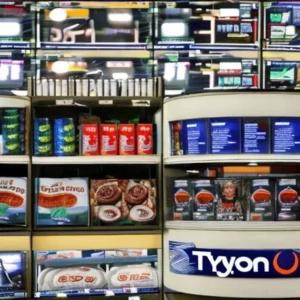
The company behind the innovation, Meatless, has been working on this project for several years, and their breakthrough has been hailed as a game-changer in the food industry.
The Science Behind the Meat
Meatless’s artificial meat products are made from a combination of vegetable proteins, including pea protein, rice protein, and potato protein. These proteins are sourced from plant-based ingredients and are then processed into a meat-like texture and flavor.
Introduction
The world of food technology is witnessing a significant transformation, driven by the need for sustainable and environmentally friendly practices. One innovative approach that is gaining attention is the use of injection moulding in the production of food packaging and containers. This technology has the potential to revolutionize the way we think about food production, processing, and consumption.
The Science Behind Injection Moulding
Injection moulding is a process that involves injecting molten material into a mould to create a specific shape.
3D printing is a slow process that requires a lot of energy and resources. Injection moulding, on the other hand, is a faster and more energy-efficient process.
The Challenge of Alternative Meat Production
The traditional meat industry is facing significant challenges, including the need for sustainable and environmentally friendly production methods. Alternative meat production, which involves the use of plant-based ingredients and cellular agriculture, is gaining popularity as a solution to these challenges.
The results were then cooled and stored in a refrigerator at 4°C for 24 hours.
The Effects of Temperature and Time on Browning
The effects of temperature and time on browning are crucial in the development of the final product’s appearance and flavor.
Fake meat gets a thumbs up from consumers, but still falls short of the real thing.
The Study’s Findings
The study aimed to investigate the sensory and consumer preferences of meat analogues. The researchers conducted a series of experiments to gather data on the texture, color, and overall preference of the fake meat. The results showed that participants rated the fake meat as nine on average, indicating a high level of acceptability.
Texture and Color
The texture of the fake meat was found to be marginally softer than farmed beef. This is a significant finding, as texture is a crucial factor in determining consumer preference. The researchers also noted that the fake meat had a more intense color than farmed beef, which may contribute to its higher rating. Key findings: + Texture: marginally softer than farmed beef + Color: more intense than farmed beef
Consumer Preferences
The forced choice test revealed that 57% of participants preferred farmed beef, while 43% preferred their meat analogues.
Meat production’s hefty price tag comes with a hefty price to pay.
The Science Behind Meat Production
Meat production is a complex process that involves multiple stages, from breeding and feeding to slaughtering and processing. The production of meat is a significant contributor to the global economy, with the global meat market valued at over $1 trillion. However, the process of meat production has significant environmental and social impacts.
The Environmental Impact of Meat Production
The environmental impact of meat production is a major concern. The production of meat requires large amounts of feed, water, and land, leading to deforestation, water pollution, and greenhouse gas emissions. The livestock industry is responsible for around 14.5% of global greenhouse gas emissions, which is more than the entire transportation sector. The production of meat also leads to the release of methane, a potent greenhouse gas, which contributes to climate change. The use of fertilizers and pesticides in feed crops can lead to water pollution and soil degradation.

news is a contributor at Meat N Metal. We are committed to providing well-researched, accurate, and valuable content to our readers.