The combination of these two influences has shaped my palate and cooking style.
The Influence of My Father’s Ranch
My father’s ranch in Uruguay was a place of simplicity and hard work. The family would often gather around the dinner table to share stories and enjoy a meal together. The meals were simple, yet hearty, and often featured traditional Uruguayan dishes such as asado, which is a type of barbecue. The asado was typically made with a variety of meats, including beef, pork, and chorizo, all slow-cooked over an open flame. The asado was a staple of Uruguayan cuisine, and my father would often host asados for the entire community. The smell of sizzling meat and the sound of laughter filled the air, creating a warm and welcoming atmosphere.
Cooking over an open flame brings a unique flavor and tradition to Uruguayan cuisine.
Parrilla is a traditional Uruguayan method of cooking meat, and it’s a staple of Uruguayan cuisine.
The Origins of Parrilla
Parrilla has its roots in the traditional cooking methods of the gauchos, the indigenous people of Uruguay. The gauchos were skilled horsemen and cattle ranchers who roamed the vast open spaces of the countryside, cooking their meals over open fires. This method of cooking was not only practical but also allowed for the cooking of large quantities of meat, which was essential for the gauchos’ nomadic lifestyle.
The Art of Parrilla
Parrilla is an art form that requires skill, patience, and attention to detail. The process of preparing a parrilla involves selecting the right type of meat, marinating it in a mixture of herbs and spices, and then grilling it over an open flame.
The smell of charcoal and sizzling meat filled the air, and the taste of slow-cooked ribs was a revelation. I was hooked from the first bite.
The Origins of Kansas City BBQ
A Rich History
Kansas City BBQ has a rich and complex history that spans over a century.
The Decision to Go Vegetarian
In 2007, a significant turning point in the life of Uruguayan writer Eduardo Galeano occurred when he decided to stop eating meat. This decision was not taken lightly, and it was influenced by a combination of factors, including his concerns about the economic crisis in the United States and his desire to adopt a more sustainable lifestyle.
Reasons Behind the Decision
The Impact of the Decision
Galeano’s decision to go vegetarian had a significant impact on his life and his writing. He reported feeling more energetic and healthy, and he also experienced a sense of liberation and freedom from the constraints of traditional meat-eating habits.
Benefits of a Vegetarian Lifestyle
- Improved physical health
- Reduced environmental impact
- Increased sense of compassion and empathy
- Greater sense of liberation and freedom
- The feeling of being deprived
- The perceived lack of self-control
The Writing Process
Galeano’s decision to go vegetarian had a significant impact on his writing process.
Understanding the Roots of the Conversation
The conversation about my dietary choices was not just about food; it was about our family’s values, traditions, and cultural background. My parents, who were raised in a traditional meat-eating household, were struggling to understand why I wanted to adopt a plant-based diet. They saw it as a fad or a phase, rather than a lifestyle choice. This lack of understanding was rooted in their own upbringing and the cultural norms of our community.
The Cultural Significance of Meat in Our Community
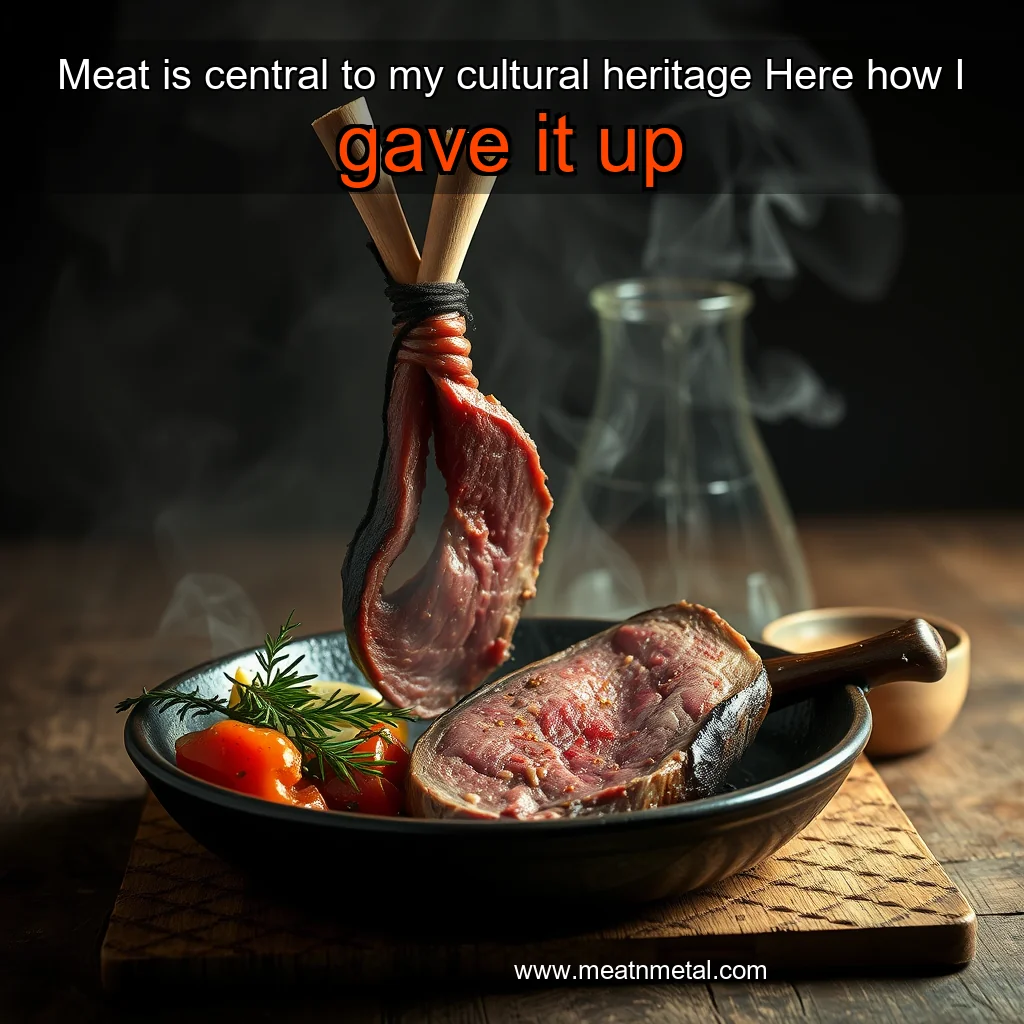
In our community, meat was a staple of traditional meals and celebrations. It was a symbol of prosperity and good fortune. The smell of roasting meat wafting from the kitchen was a familiar and comforting scent. My parents and grandparents grew up with this cultural narrative, and it was deeply ingrained in our family’s identity. The cultural significance of meat was not just about the food itself, but about the traditions and values that surrounded it. Meat was a symbol of hospitality, generosity, and community. The smell of roasting meat was a trigger for nostalgia and warmth.
The Complexity of Family Dynamics
As I navigated this conversation, I realized that there were multiple layers of complexity at play. My parents were not just opposed to my dietary choices; they were also struggling with their own identity and sense of self. They were grappling with the idea that their child was growing up and making choices that were different from their own.
The Fear of Loss and Change
My parents were afraid that if I adopted a plant-based diet, it would mean that I was rejecting our family’s traditions and cultural heritage. They feared that I was abandoning our values and identity.
However, many Latinx individuals are embracing veganism as a way to honor their heritage while also promoting health and sustainability.
The Cultural Significance of Food in Latinx Culture
Food plays a vital role in Latinx culture, bringing people together and fostering a sense of community and belonging. Family gatherings, celebrations, and everyday meals are all centered around food, which is often prepared with love and care. Traditional Latinx dishes like arroz con pollo, empanadas, and tamales are not only delicious but also steeped in history and cultural significance. These dishes are often passed down through generations, with each recipe containing a unique story and meaning.
The Guilt of a New Diet
The guilt I felt was not just about missing out on a traditional holiday meal, but also about the perceived lack of self-control. I felt like I was depriving myself of something that I enjoyed, and that I was somehow less of a person because of it. This guilt was not just limited to Thanksgiving, but it was a constant companion throughout the year. The constant struggle to resist temptation
Breaking the Cycle
I knew I needed to break the cycle of guilt and shame that had become a part of my relationship with food. I started by educating myself about the benefits of a plant-based diet.
It was a gradual process, but I was determined to make a difference.
The Power of Influence
Influence is a powerful tool that can be wielded in various ways. As a vegan, I’ve learned to harness my influence to promote a lifestyle that aligns with my values. By being a positive role model, I’ve inspired others to make changes in their own lives.
The Ripple Effect
My diet has had a ripple effect on those around me. My family members have started to question their own food choices, and some have even made changes. My friends have been inspired by my commitment to veganism, and some have adopted a plant-based lifestyle. The impact is not limited to my personal relationships; it has also extended to my community.
The Impact on My Community
As a vegan, I’ve become more aware of the environmental and social implications of my food choices. I’ve learned to shop at local farmers’ markets, reducing my carbon footprint and supporting sustainable agriculture. I’ve also become more involved in my community, volunteering at local animal shelters and advocating for animal welfare.
The Power of Small Gestures
Small gestures can have a significant impact. My family members’ willingness to try new foods and adopt a more plant-based lifestyle has been a game-changer. It’s not just about the food; it’s about the values and principles that underlie our choices. By promoting a lifestyle that aligns with my values, I’ve created a ripple effect that extends far beyond my personal relationships.
The Future of Influence
As I continue on this journey, I’m excited to see the impact that my influence will have on the world. I’m committed to using my platform to promote a lifestyle that aligns with my values, and I’m confident that my influence will continue to grow.
I had to rely on online shopping and international delivery to get my favorite products.
The Challenges of Being a Vegan in Uruguay
Uruguay, a country known for its rich agricultural land and cattle ranches, presents a unique challenge for vegans. The country’s strong meat culture and limited vegan options make it difficult for individuals to maintain a plant-based diet. Uruguay’s meat industry is a significant contributor to the country’s economy, with many families relying on beef and other meat products for sustenance. The country’s traditional cuisine, such as asado (grilled meats) and chivito (a sandwich filled with steak, ham, and cheese), is heavily centered around meat.
The Journey to Veganism
The author’s journey to veganism began when she was 18 years old. At that time, she was deeply concerned about the welfare of animals in the food industry. She had always been an animal lover and had a strong sense of empathy for all living beings. As she delved deeper into the world of animal rights, she discovered the harsh realities of factory farming and the treatment of animals in the meat and dairy industries.
The Rise of Veganism in Uruguay
Uruguay, a small country in South America, has experienced a significant surge in veganism over the past decade.
Embracing Cultural Identity
Palomera’s journey is a testament to the power of self-discovery and the importance of embracing one’s cultural identity. By exploring her heritage and values, she has been able to reconcile her past and present, finding a sense of belonging and connection to her roots.
The Importance of Cultural Heritage
Cultural heritage is a vital part of who we are, and it plays a significant role in shaping our identities. It encompasses not only our traditions, customs, and practices but also our language, music, art, and history. By embracing our cultural heritage, we can gain a deeper understanding of ourselves and our place in the world. Language: Our language is a fundamental aspect of our cultural identity. It is the way we communicate with each other, express ourselves, and connect with our heritage. Traditions and customs: Our traditions and customs are the practices and rituals that have been passed down through generations. They provide a sense of continuity and connection to our past. * Music and art: Music and art are powerful expressions of our cultural identity.