The joy of transforming simple ingredients into culinary masterpieces. Raichlen’s journey led him to discover a diverse range of grilling techniques, from the ancient art of smoking in the Americas to the modern-day grilling methods of Japan. He found that grilling, in its essence, is a universal language that transcends cultural boundaries. This exploration of global grilling traditions revealed a fascinating tapestry of techniques, ingredients, and cooking styles.
He was inspired to write the book after a trip to Italy, where he learned about the versatility of vegetables in Italian cuisine. The author’s journey to becoming a vegetarian was a gradual one, starting with a simple act of replacing a meat dish with a vegetable one. This act of conscious choice, he believes, is the first step towards a more sustainable and compassionate lifestyle.
He also suggested using a cast iron skillet or a heavy-duty stainless steel grill pan to ensure even heat distribution. The summary provided focuses on the ideal cooking method for high-moisture vegetables. It highlights the importance of high heat and open lid grilling for optimal results. It also emphasizes the use of specific cooking tools for even heat distribution. Let’s delve deeper into the details of this cooking method.
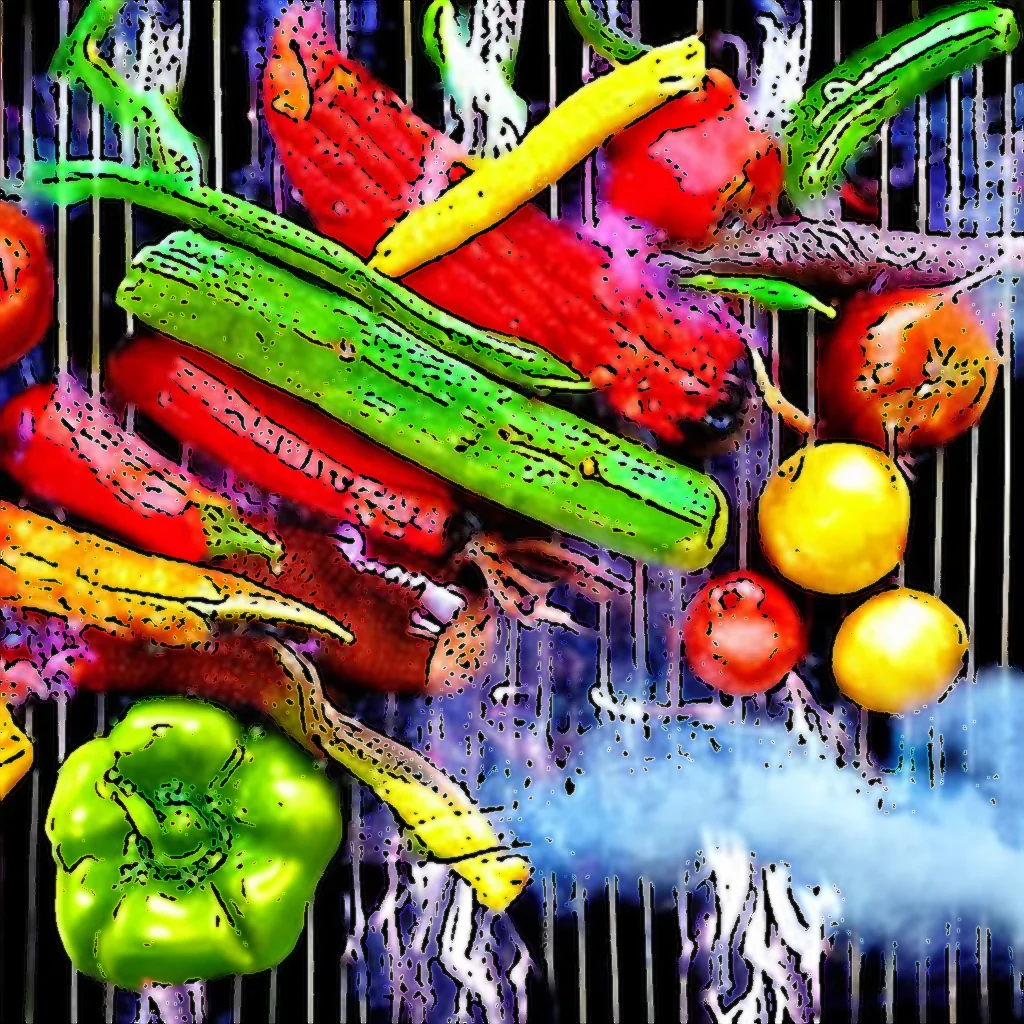
Or try ‘caveman grilling’ Many cultures char certain vegetables directly on hot coals, which Raichlen calls “caveman grilling.” Baba ganoush, the Middle East’s smoky eggplant dip, is the best-known example. “It’s an absolutely magical dish, because the eggplant has a smoking device built right into it,” he said, referring to its thick skin. “All you do is char the skin and it permeates the flesh.” Tomatoes, onions, squash and zucchini work, too. Just fan the embers with newspaper to blow away excess ash. Sear the vegetables on all sides, turning frequently, and scrape away the most-burnt parts. Don’t limit yourself to the obvious
This is a testament to the art of grilling, which transcends the boundaries of traditional food pairings. The author’s approach is not about simply throwing anything on the grill and hoping for the best. It’s about understanding the science behind grilling, the different heat zones, and how to manipulate them to achieve the desired results.
**Charred vs.
This is a crucial point because it highlights the importance of understanding the difference between the two. While both are desirable outcomes, they are achieved through different techniques and have distinct implications for the food.
This method involves creating a small, enclosed space on your grill where the coals are concentrated. This creates a smoky, intense flavor. For this recipe, you’ll need a grill grate with a few inches of space between the grates. Place the coals in the center of the grate, leaving a small space around the edges.
This recipe calls for a simple yet elegant dressing that can be used for a variety of dishes. The dressing is made by combining a few basic ingredients: olive oil, lemon juice, dill, salt, and pepper. The key to this dressing is the use of a food processor to create a loose, homogenous mixture. This ensures that the dressing is not too thick or too thin, and that it has a smooth, consistent texture.
In a separate bowl, combine the chopped smoked almonds, cilantro, and lime juice. Toss the almonds with the cilantro and lime juice until evenly coated. Combine the mayonnaise mixture with the almond mixture. Serve immediately.
Transfer the wedges to a platter, spoon over the dressing and sprinkle with almonds. EDITOR’S NOTE: Albert Stumm writes about food, travel and wellness. Find his work at https://www.albertstumm.com Albert Stumm, The Associated Press